
Kyiv Geographies
which district is hit this time

Kyiv has ten official administrative districts. Three on the left bank of the Dnipro River: Darnytsky, Dniprovsky, Desniansky. Seven on the right bank: Sviatoshyn, Pechersk, Holosiiv, Solomiansky, Obolon, Shevchenkivsky, Podil. Each district is a city within a city, with smaller subdivisions and neighborhoods, whose combined population equals that of the country of Moldova.
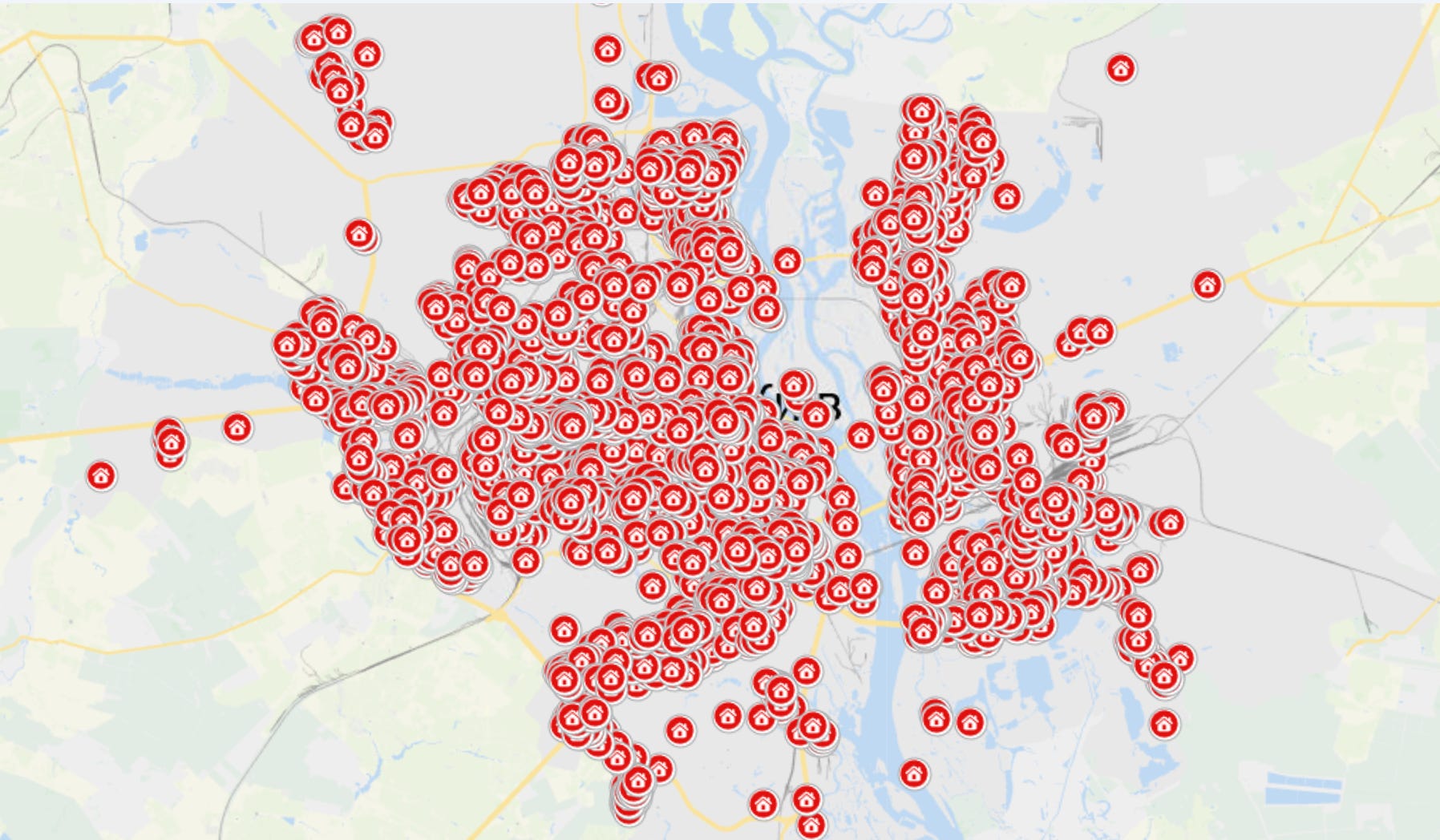
Kyiv itself sprawls across about 1,000 square kilometers, notwithstanding the suburban satellite cities of Brovary, Boryspil, Boiarka, Vyshneve, Bucha, Irpin, and smaller satellite towns that stretch far beyond it, and on into the northern woods. The woods are still abounding with unexploded ordnance from the 2022 incursion of russian troops into the region. Bucha and Irpin have mostly been rebuilt, but there is no reviving the dead, the ones who were tortured and killed there by russians.
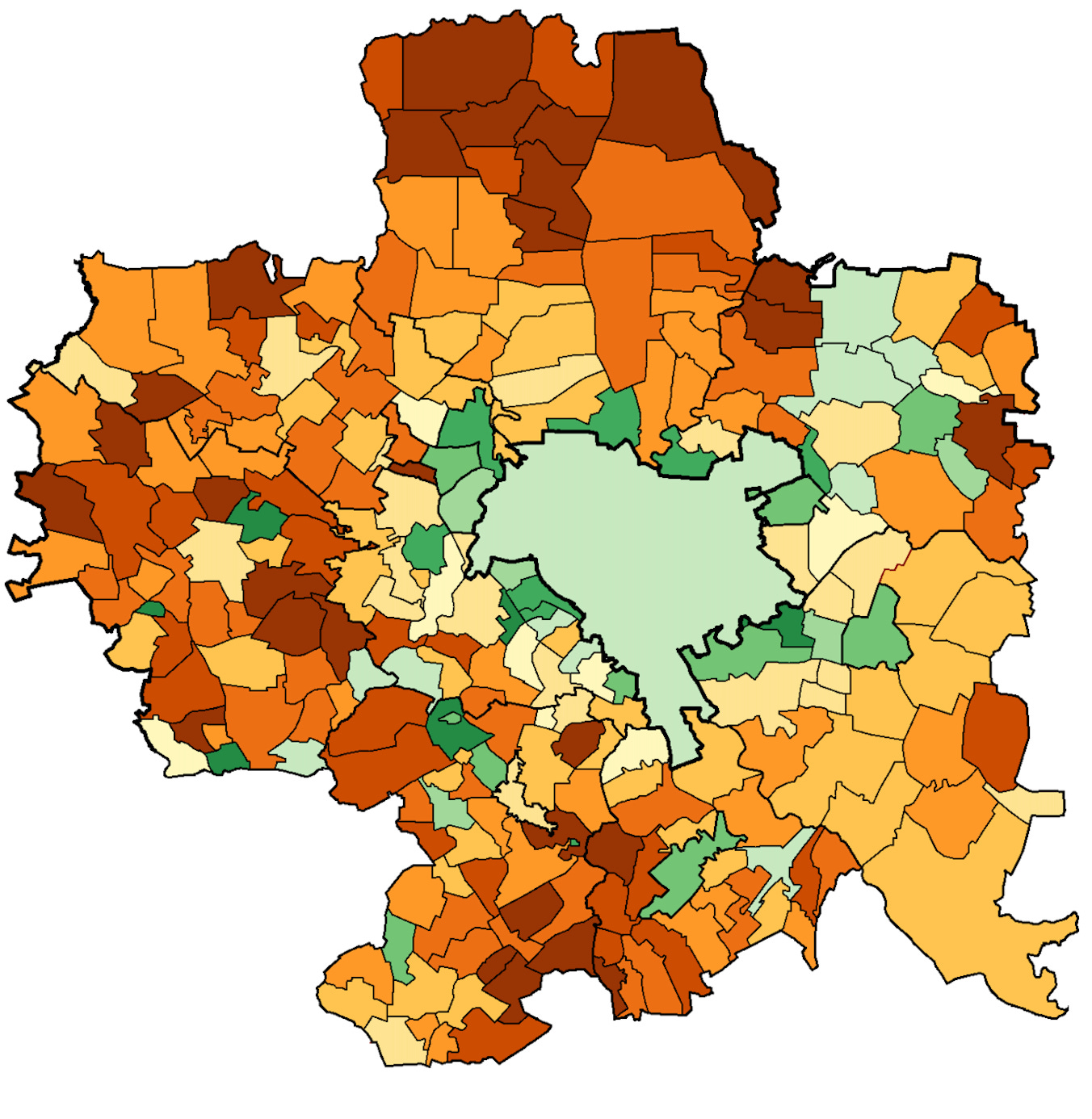
In my decade of living in Kyiv, I haven’t really been to each of the ten districts. I may have driven through them, stopped by briefly, or heard urban legends about the kinds of people who end up living in the concrete jungle of Pozniaky, or those who end up in the cheap concrete panel buildings of Troieschyna due to life’s misfortunes, or the uber-rich residents of Pechersk. I may have become a Kyiv stereotype myself, a queer woman living in the queerest neighborhood of Kyiv, a hipster Millennial drinking her simple filter coffee on the mornings after russian attacks.
When a drone or a missile explodes ‘in Kyiv’, this might mean miles and miles away from where I am, someplace I can’t even hear, someplace I never visited and can’t recognize.
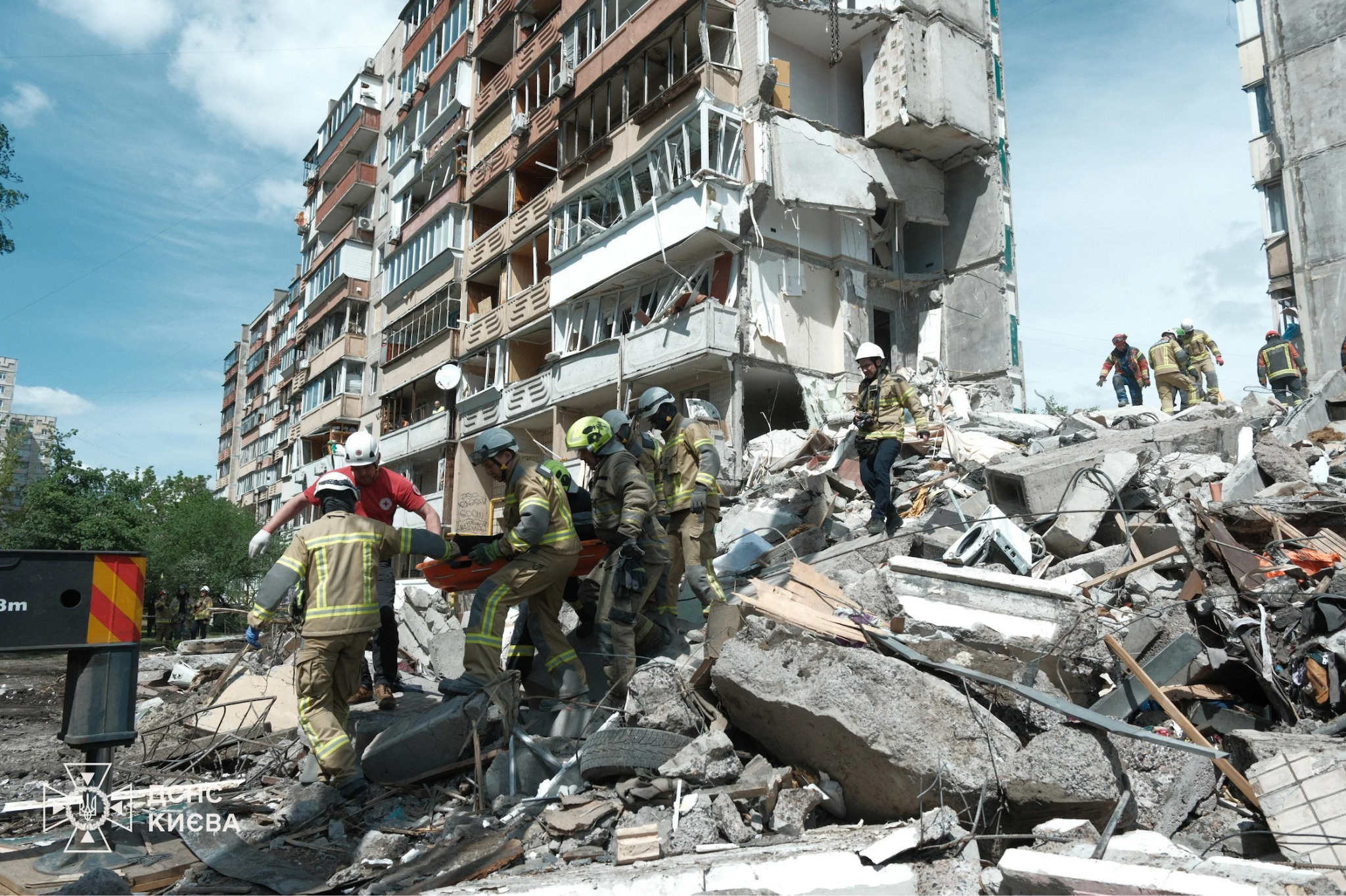
You know, official sources don’t disclose the addresses of where exactly the russian missiles hit. The Kyiv city administration is only allowed to mention the district. At least in the very first hours after the strike, the district name is the only information we get from social media.
After, the guessing game begins. If you’ve been to the district, you may recognize the building and know the exact location of the hit. You piece together the shape of the building, see a familiar pattern of tiles, and wonder if it’s the same Soviet-era panel multi-apartment building where your friend lives.
Then, you text your friend who lives in that district and hope for a text back.
They text back, all is well. There are numerous look-alike buildings in Kyiv, all clear.
Knowing the geography of Kyiv is part of wartime survival. When I follow the path of drones or missiles through Brovary or Dniprovsky district, I know they may eventually end up on the right bank right where I live, and so I know I might need to shelter soon. The map of the city is in my head, and it’s a map of probabilities, a map of risks, and an approximation of the time it takes for a flying object to get from one end of the map to another.
I learn more about the city through its wounds inflicted by russian attacks. Through necessity and emergency, I know that when a missile hits Darnytsia for what seems like a hundredth time, it’s a particular object the russians are targeting. The locals know which object it is, not to be named publicly. Kyiv city administration can only disclose the hits against civilians; they cannot admit to the missiles that succeeded in reaching the infrastructure targets. It’s the worst-kept secret.
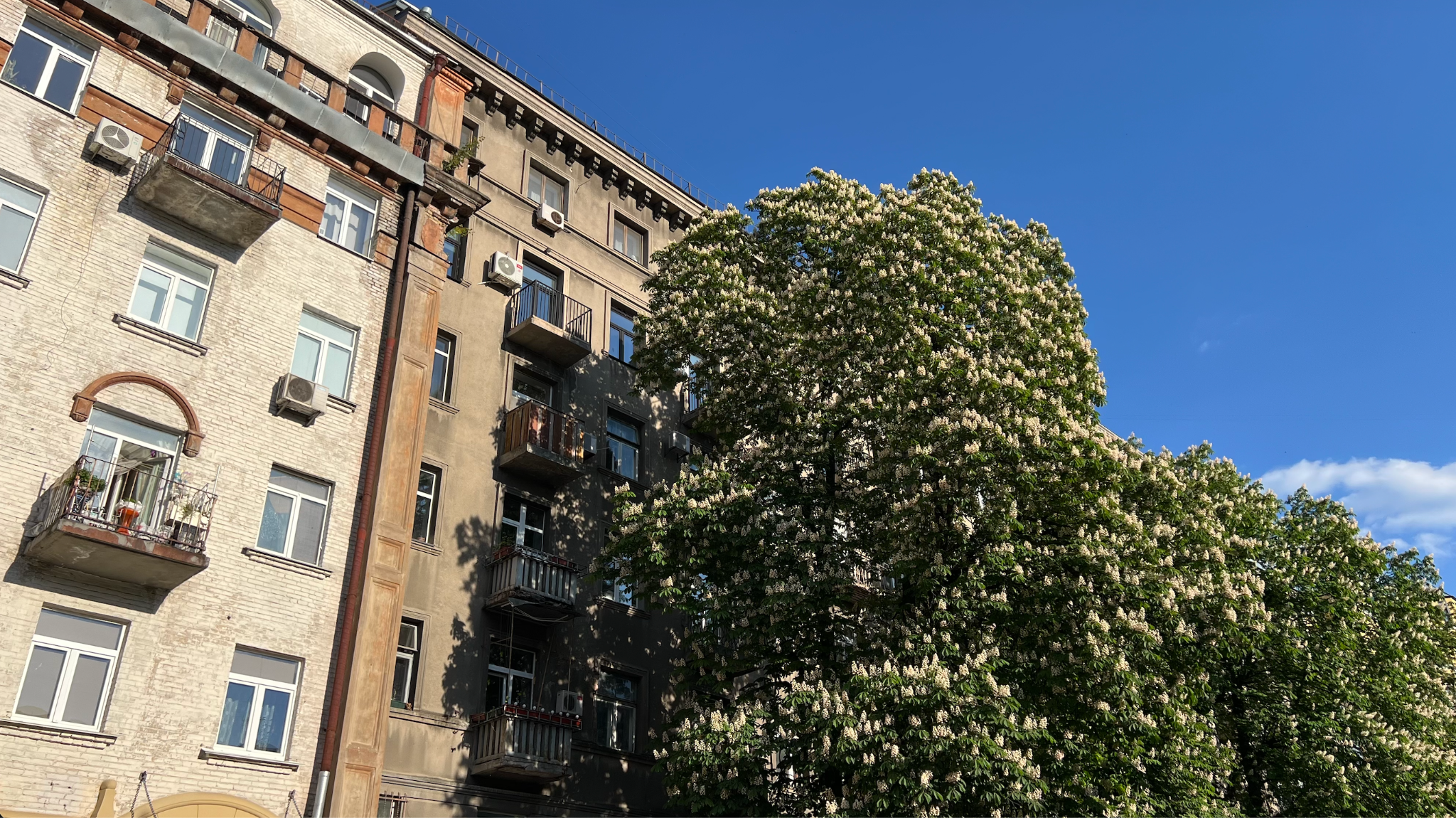
Kyiv’s geography includes the districts that are ‘safer’ and more ‘risky’ ones to live in, locations that are struck more often. Nearly all of the drones pass through the left bank of Kyiv, with its nonexistent bomb shelters and above-ground metro. It’s better to live on the right bank, a bit farther from the avalanche of drones, with a higher likelihood that the drones would be shot down on approach.
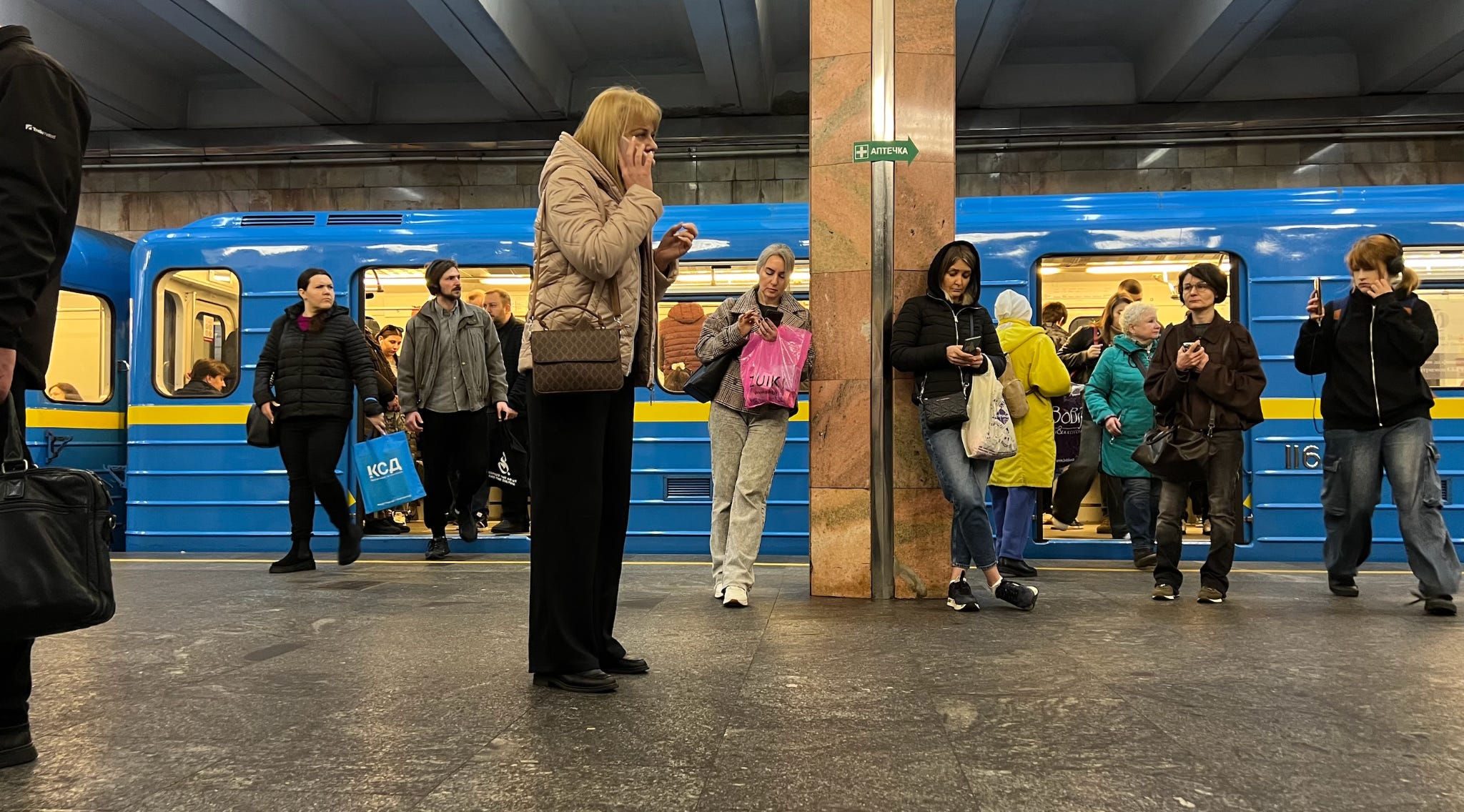
I hate this city. I hate this city for its ugliness of illegal construction, for its horrible public transit system, for its overcrowded metro. The best solution we have right now for the overcrowded metro trains is a worker on a loudspeaker instructing people to board and exit more quickly. It’s not humanly possible to leave or board the train more quickly given how many of us are here. So we shuffle our feet in silence, and each finds a place, a niche to occupy.
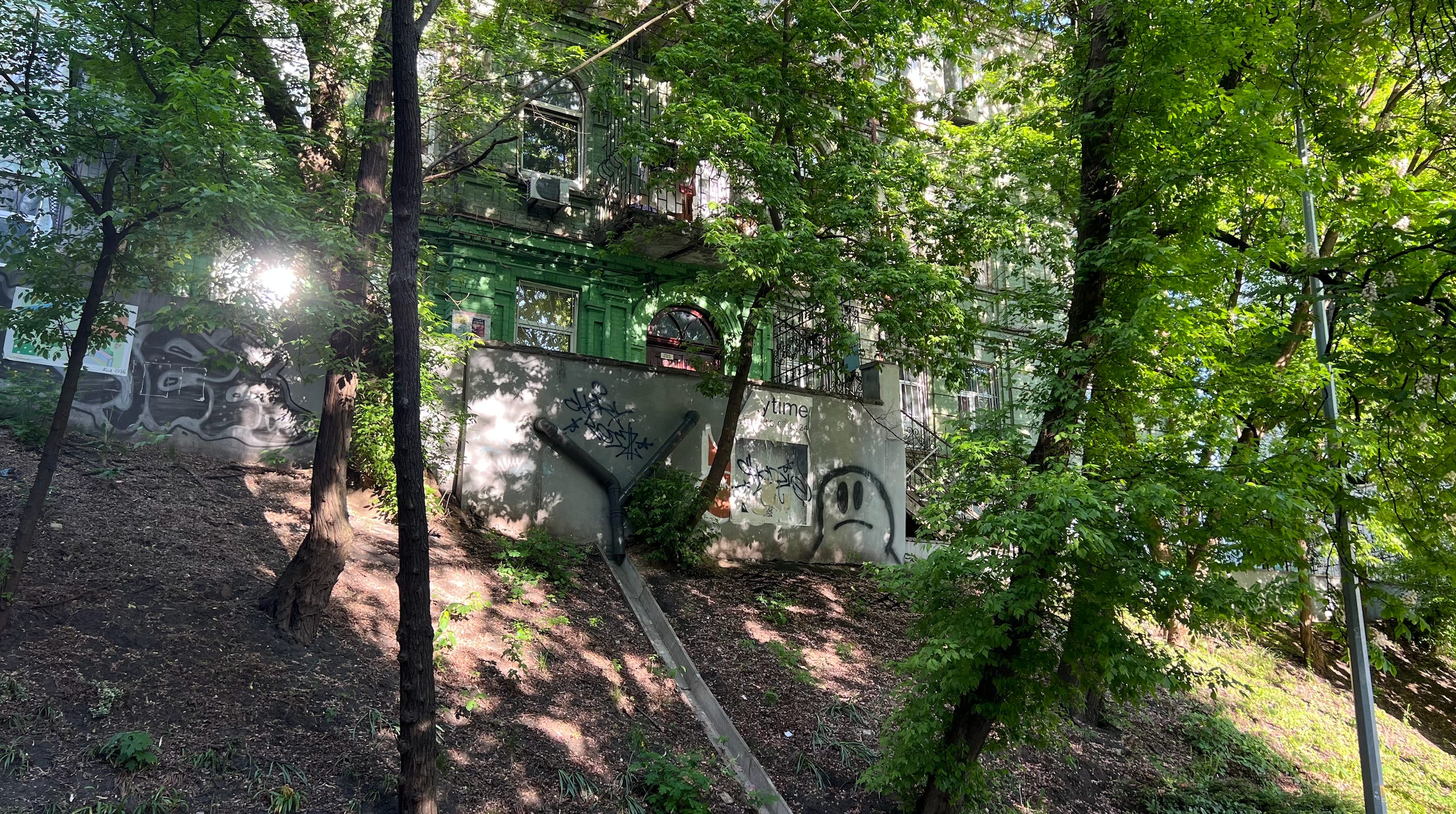
I love this city. I love this city, for there is a niche, a pocket in it, even for me. There’s a set of apartments and cafes and districts that constitute my own Kyiv that only partially overlaps with ‘the Kyiv’. My Kyiv, a target of political significance, has let me carve out a corner for myself here.
I, a target in Kyiv, along with other moving targets, shuffle in and out of trains, scanning the news feed, checking which part of this body of Kyiv has been severed or wounded this time. Which district. Which building. Which person, and whether anyone I know was there.
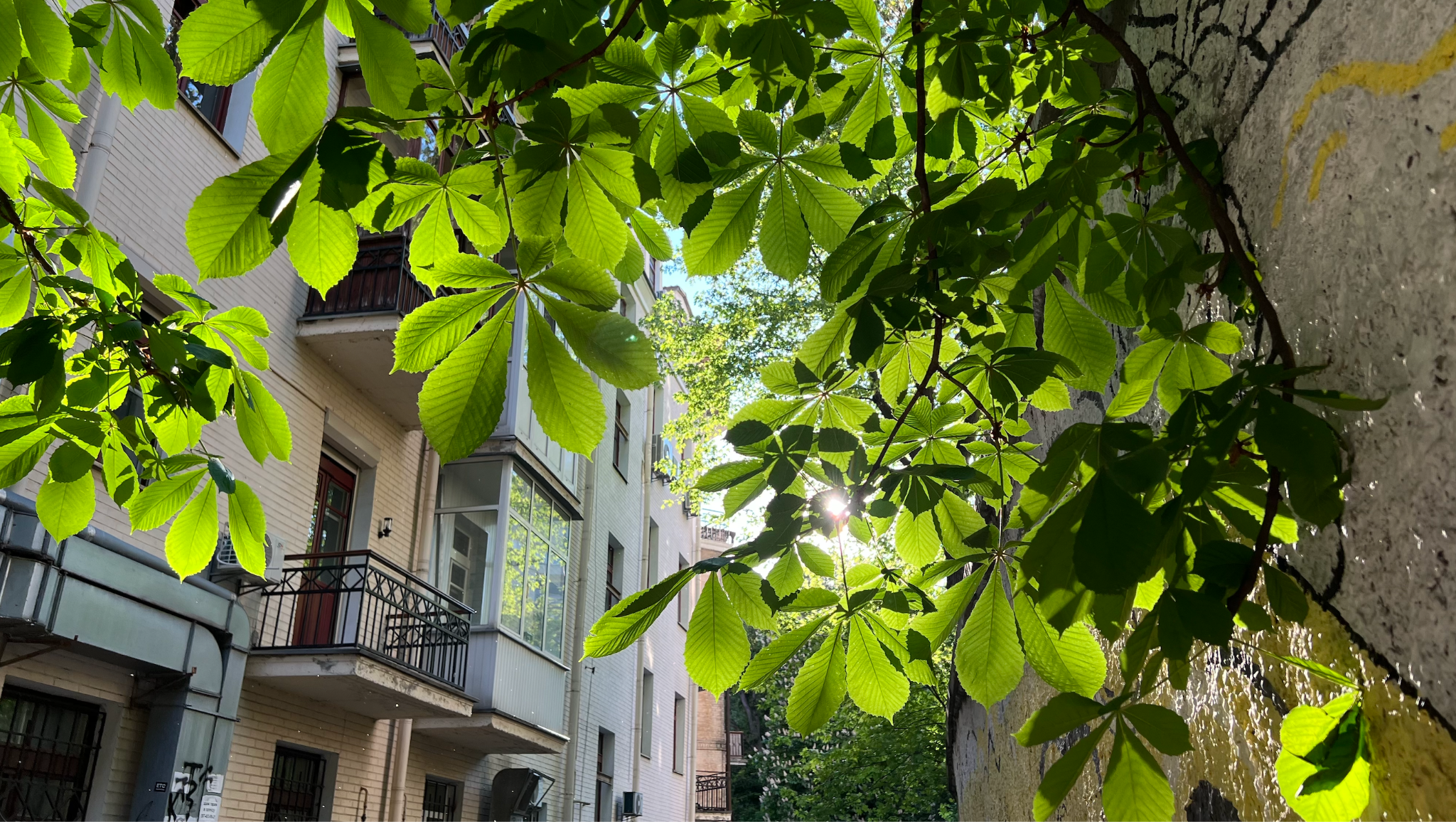
People, veterans who lost their limbs in combat, have to re-learn how to walk with prosthetics, and the city is sort of like a wounded veteran too; its body readjusts and re-learns to carry and redistribute the weight of grief. Chestnuts bloom as though nothing has happened, and in a split second the sun is out, and each bench in the Shevchenko park is occupied, and there’s a crowd promenading through Peizazhna alley. In and out grief goes, as the loudspeakers beg us to make room for something new.
Thanks for being here! This is a reader-supported wartime journal. Patreon is what lets me keep writing these notes, so if you want to support my hustle and my life here in Kyiv - you can do so by signing up for a paid subscription here. (Substack’s own paid subscription service does not work within Ukraine, hence Patreon).
Get access to exclusive cat content. Yes, I repeat: exclusive Ukrainian cat content for my paid subscribers.
Thank you so much, Svitlana - your geography lesson has helped make so much more sense of this place I thought of as a single entity - even though, as you describe these districts, many large metro areas are put together like this. Reading or hearing about “Kyiv” will now come with a virtual asterisk. I appreciate you sharing your personal experience. Those of us far afield from this war cannot imagine your reality but I can tell you with bone-deep certainty that the good people of the world weep with you and intentions are sent with hope and love - we see you, we hear you, we stand with you. ❤️🇺🇦
I find myself on telegram channels during air alarms, trying hopelessly to track the location of the drones by scrambling onto google maps with each notification. It is one dysfunctional way of getting to know a city. The other week in Kharkiv I heard a drone overhead, then glanced at the telegram: ah yes, this district. Turns out reality did not actually require online verification.